Insights into Die Design, Tooling Systems, and Casting Mold Engineering
The Mold & Die Casting Blog focuses on the design, engineering, and optimization of casting molds and dies used in modern metal manufacturing. This category is built for engineers, tooling designers, and procurement professionals seeking practical knowledge to improve casting quality, reduce tooling costs, and extend mold service life.
Die casting molds—also known as dies—are precision tooling systems used to form molten metals such as aluminum and zinc under high pressure. Their performance directly affects dimensional accuracy, surface finish, production efficiency, and defect control. A well-designed mold integrates material science, thermal management, and flow engineering to ensure stable, repeatable results in high-volume production.
Core Technical Areas
Die Design & Tooling Engineering
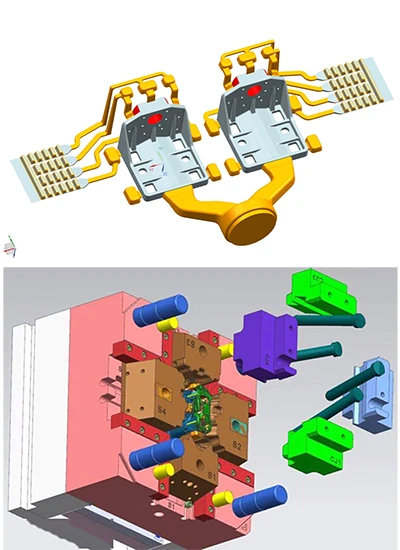
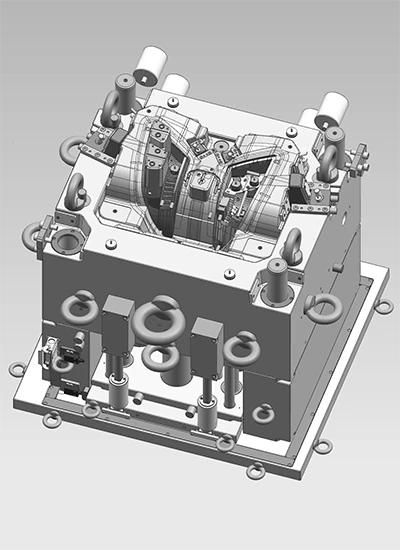
Effective die casting mold design combines gating systems, runner layouts, venting structures, cooling channels, and ejection mechanisms. Proper engineering ensures smooth metal flow, controlled solidification, and reduced turbulence. This minimizes defects such as porosity, cold shuts, and misruns while maintaining high precision for complex components.
Tooling Materials & Heat Treatment
Tool steel selection is critical for durability and thermal resistance. Materials such as H13 and SKD61 are widely used due to their strength under repeated thermal cycling. Heat treatment processes—including quenching, tempering, and stress relief—enhance hardness, reduce residual stress, and improve resistance to thermal fatigue and cracking.
Mold Components & Systems
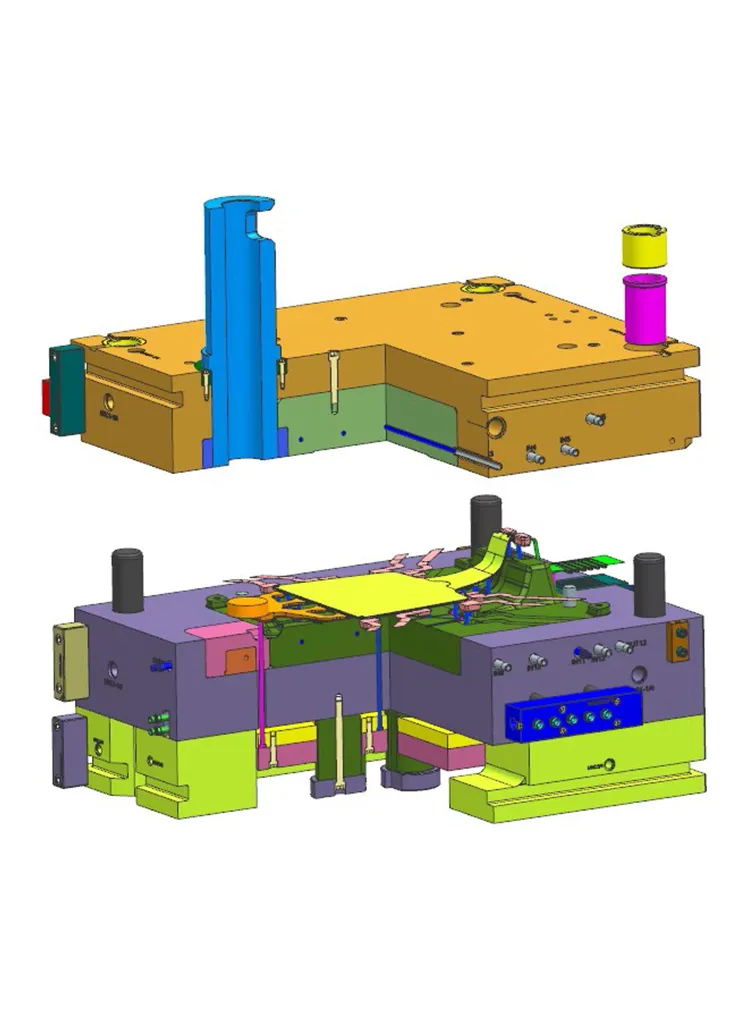
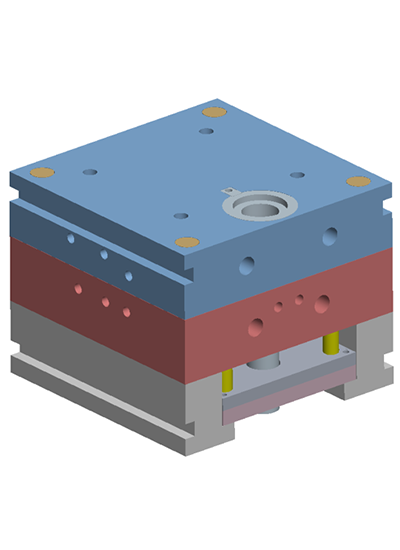
A complete die casting mold consists of integrated components such as fixed and moving halves, cores, cavities, ejector systems, slides, lifters, and overflow systems. Each element plays a key role in proper filling, part release, and dimensional consistency, making system-level design essential for performance.
Precision Machining & EDM
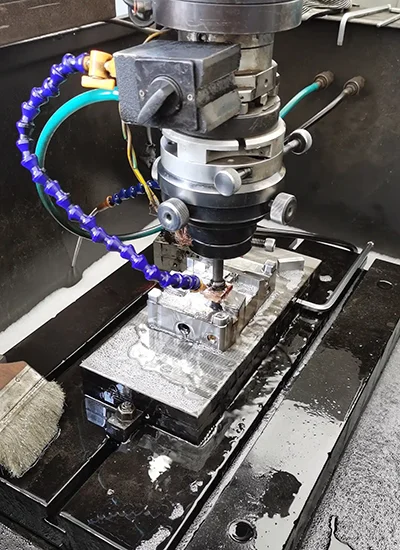
Advanced manufacturing technologies such as CNC machining and Electrical Discharge Machining (EDM) enable high-precision mold production. EDM is ideal for complex geometries but may introduce residual stress. Proper post-processing and stress relief treatments are necessary to maintain mold integrity and longevity.
Thermal Management & Process Optimization
Cooling system design directly impacts cycle time, product consistency, and mold lifespan. Optimized cooling channels improve heat dissipation and reduce distortion. Combined with balanced gating and efficient venting, these strategies help prevent shrinkage, gas entrapment, and other casting defects.
Why This Category Matters
Mold and die design is a key factor in manufacturing success. High-quality tooling reduces scrap, improves efficiency, and ensures consistent product performance. For buyers and manufacturers, understanding die casting tooling systems enables better supplier selection, cost control, and long-term production reliability.
This category delivers practical, engineering-focused insights that connect design theory with real-world applications—helping you make informed technical and commercial decisions.