


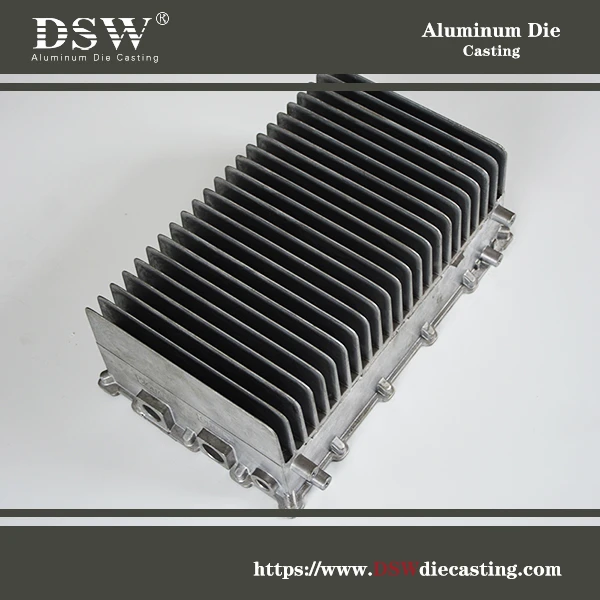
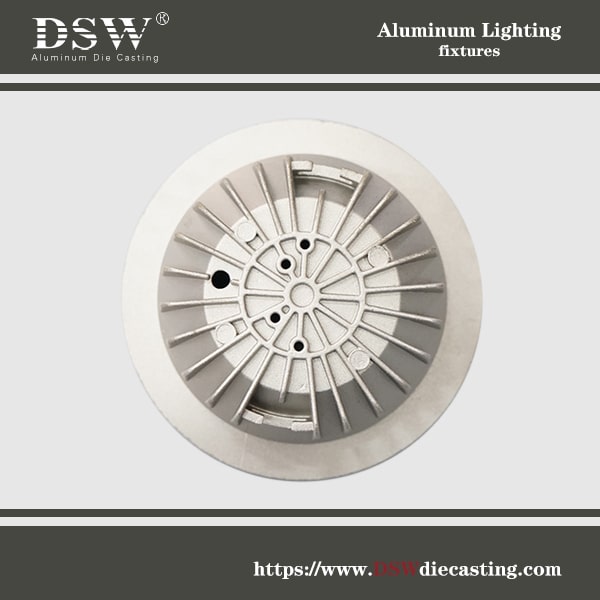
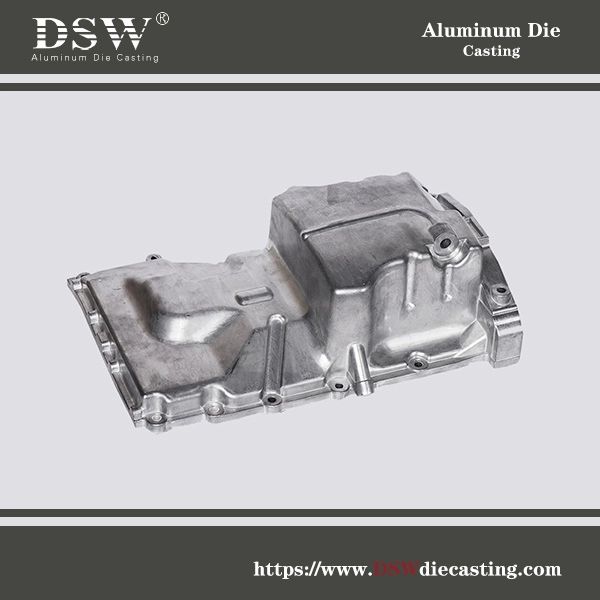
The types of aluminum casting dies vary according to the casting process, component design, production volume, and required casting quality. An aluminum die casting mold is designed to shape molten aluminum into components with specific dimensions, surface finishes, and structural features.
The main reusable metal tooling systems include high-pressure die casting (HPDC) dies, low-pressure die casting (LPDC) molds, and gravity die casting molds. Each aluminum casting mold uses a different metal-filling method and tooling configuration to meet specific manufacturing requirements.
Understanding these tooling types helps manufacturers and purchasing teams compare casting methods, evaluate tooling investment, and select a suitable production solution for automotive components, industrial housings, machinery parts, and other aluminum products.
1. High-Pressure Aluminum Die Casting Dies (HPDC)
High-pressure die casting dies are reusable metal tools designed to withstand repeated injection cycles, elevated temperatures, and high metal pressures. During production, molten aluminum is injected into the die cavity at high speed and pressure, allowing it to fill complex geometries before solidifying.
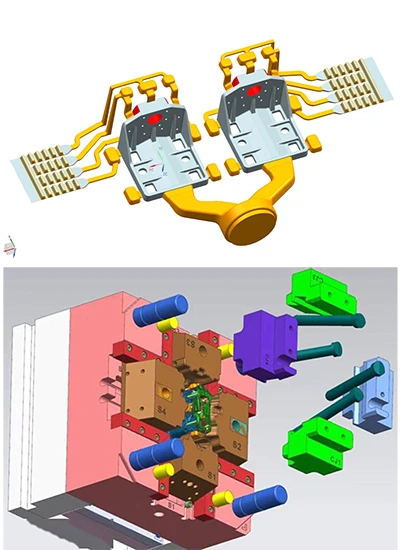
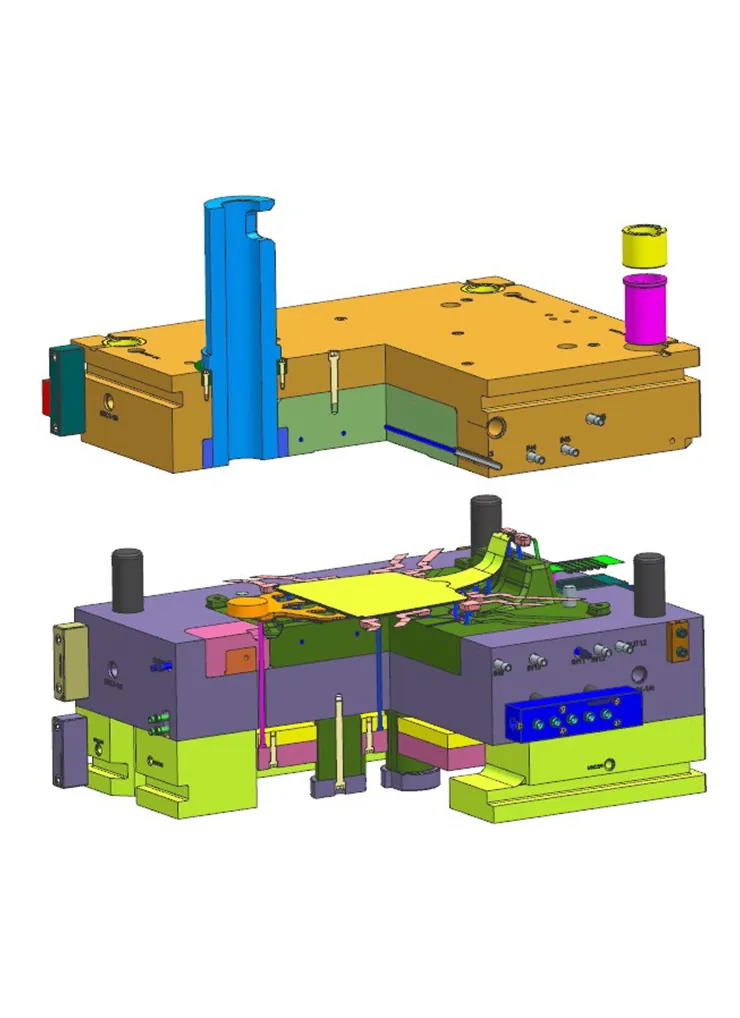
An HPDC aluminum die casting mold typically consists of a fixed half and a moving half. Depending on the component design, the tooling may also include core inserts, slides, ejector pins, cooling channels, runners, gates, and venting systems.
Typical applications: Automotive housings, transmission components, motor housings, electronic enclosures, appliance parts, and industrial components.
Key characteristics:
- Suitable for medium- to high-volume production, particularly large production runs.
- Supports complex geometries, thin walls, ribs, bosses, and integrated features within process limitations.
- Requires precise machining, durable tooling materials, and effective thermal management.
- Usually requires a higher initial tooling investment, which can be distributed across many production cycles.
HPDC die design must account for cavity layout, parting lines, gating, runners, overflows, vents, cooling, and part ejection. These features affect filling behavior, casting quality, production efficiency, and die service life.
For more details about HPDC die configurations and selection, see our die casting dies guide.

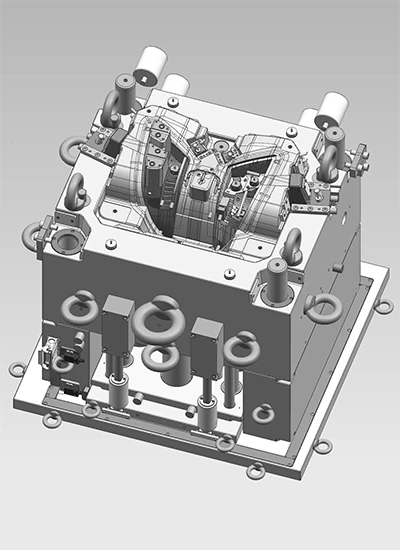
Example of a Typical Die Casting Die
2. Low-Pressure Aluminum Casting Molds (LPDC)
Low-pressure die casting uses controlled gas pressure to move molten aluminum from a holding furnace or crucible into a reusable metal mold. The filling process is generally slower and more controlled than high-pressure injection, allowing manufacturers to manage metal flow and solidification.
An LPDC aluminum casting mold may incorporate cores, cooling channels, and specialized feeding arrangements based on the component’s geometry and quality requirements. Its filling system is engineered for low-pressure operation rather than simply adapting a conventional HPDC die.
Typical applications: Aluminum wheels, selected automotive structural components, suspension parts, and other castings requiring controlled metal filling and reliable casting integrity.
Key characteristics:
- Controlled filling can help reduce turbulence and limit certain casting defects.
- Can be suitable for components requiring consistent quality and controlled solidification.
- Uses tooling configurations and production cycles that differ from HPDC.
- Achievable part complexity and production rates depend on mold design, alloy, and process parameters.
LPDC tooling is particularly relevant when controlled metal feeding and casting integrity are priorities. The choice between LPDC and HPDC depends on component geometry, quality specifications, production quantity, equipment capabilities, and total manufacturing cost.
3. Gravity Aluminum Die Casting Molds
Gravity die casting uses gravity to fill a reusable metal mold with molten aluminum. It is generally considered a type of permanent mold casting because the metal tooling can be reused over multiple production cycles.
A gravity aluminum die casting mold is designed around the component geometry, alloy characteristics, feeding requirements, and solidification behavior. Depending on the part, the tooling may contain multiple sections, removable cores, and features that support venting and controlled metal flow.
Typical applications: Valve bodies, pump housings, brackets, electrical components, and selected automotive and industrial castings.
Key characteristics:
- Fills the mold through gravity rather than high-pressure injection.
- Can achieve good dimensional consistency and surface finish with suitable tooling and process control.
- May be suitable for repeat production and medium-volume applications.
- Requires careful management of mold temperature, metal feeding, venting, and solidification.
Compared with HPDC, gravity die casting uses a different filling mechanism and tooling arrangement. The appropriate process depends on the required component geometry, production volume, quality standards, and target manufacturing cost.
4. Other Aluminum Casting Tooling: Sand Casting Molds
Sand casting is another method for producing aluminum components, but its tooling differs from reusable metal die casting tools. A sand casting mold is formed around a pattern using prepared molding sand, and the mold is normally broken apart to remove the finished casting.
Patterns establish the external shape of the casting cavity, while sand cores can form internal passages and hollow sections. Because the mold is expendable, sand casting offers flexibility for prototypes, large components, and lower-volume production.
Typical applications: Large housings, pump bodies, machinery components, prototypes, and selected low-volume aluminum castings.
Key characteristics:
- Generally requires less investment in permanent metal tooling.
- Offers flexibility for large parts and complex internal features.
- Typically has different surface-finish and dimensional-capability characteristics from permanent metal mold processes.
- Requires a new mold for each casting cycle.
Sand casting is useful when comparing aluminum manufacturing methods, but a sand mold is not a reusable aluminum die casting mold. It uses a different tooling system and production process.
Comparison of Aluminum Casting Dies and Molds
The following table compares the main types of aluminum casting dies and molds, their metal-filling methods, and their typical production suitability.
| Casting Process | Tooling Type | Metal-Filling Method | Typical Production Suitability |
|---|---|---|---|
| High-Pressure Die Casting (HPDC) | Reusable precision metal die | High-pressure injection | Medium- to high-volume production |
| Low-Pressure Die Casting (LPDC) | Reusable metal mold | Controlled gas pressure | Components requiring controlled filling and casting integrity |
| Gravity Die Casting | Reusable permanent mold | Gravity | Repeat production and suitable medium-volume applications |
| Sand Casting | Pattern, cores, and expendable sand mold | Gravity | Prototypes, lower-volume production, and large components |
These categories are general guidelines. Actual process suitability depends on component geometry, aluminum alloy, quality requirements, tooling investment, cycle time, and available manufacturing equipment.
5. Key Features of an Aluminum Die Casting Mold
The design of an aluminum die casting mold affects how molten metal fills the cavity, how the casting solidifies, and how the finished component is released. The specific features depend on the casting process and part requirements.
Casting Cavities and Multi-Cavity Tooling
A casting cavity defines the shape of the finished component. Single-cavity tooling produces one casting per cycle, while multi-cavity tooling produces several castings in one cycle. Family dies can produce different related components together when their designs and process requirements permit.
The choice of cavity layout affects tooling dimensions, production output, filling balance, and cost per part. The appropriate configuration depends on component size, machine capacity, quality requirements, and expected order volume.
Core Inserts and Slides
Core inserts create internal openings, passages, and other internal geometries. Slides and side-action mechanisms form features that cannot be released through the main opening direction alone.
These features are selected according to part geometry, undercuts, draft angles, and dimensional requirements. Their design also influences mold complexity, maintenance, and part-release reliability.
Gating, Runners, and Vents
Gating and runner systems guide molten aluminum into the cavity. Vents allow displaced air and gases to escape during filling. Their design influences metal flow, surface quality, material yield, and the risk of certain casting defects.
HPDC tooling may also incorporate overflows and vacuum-assisted systems when required by the component and process specifications. LPDC and gravity die casting use filling and feeding arrangements suited to their respective processes.
Cooling Channels and Temperature Control
Cooling channels and temperature-control features help manage the thermal conditions of reusable metal tooling. Their arrangement should account for casting thickness, hot spots, alloy characteristics, and production-cycle targets.
Effective thermal management supports consistent solidification and dimensional stability. Poor temperature balance can contribute to defects, longer cycle times, dimensional variation, and reduced tooling service life.
Need precision dies and molds?
Choose DSW for reliable dies and molds — backed by 21+ years of expertise and global reputation.
6. How to Select an Aluminum Die Casting Mold
Selecting an aluminum die casting mold requires more than comparing initial tooling prices. The right solution should meet component specifications while supporting efficient production and acceptable long-term manufacturing costs.
Consider the following factors before selecting the tooling type and configuration:
- Part geometry: Evaluate wall thickness, ribs, bosses, internal passages, undercuts, draft angles, and overall dimensions.
- Aluminum alloy: Confirm the alloy and its requirements for filling, solidification, mechanical properties, and surface finishing.
- Production volume: Compare tooling investment, expected tool life, cycle time, and cost per acceptable component.
- Quality requirements: Define dimensional tolerances, surface finish, mechanical properties, porosity limits, and pressure-tightness requirements where applicable.
- Tooling complexity: Identify the need for core inserts, slides, multiple cavities, specialized feeding systems, and automated part removal.
- Manufacturing capability: Verify the supplier’s casting equipment, tooling design resources, machining capability, and inspection procedures.
- Lifecycle cost: Consider maintenance, repair, downtime, scrap rates, and tooling replacement over the expected production run.
HPDC, LPDC, gravity die casting, and sand casting serve different manufacturing needs. An engineering feasibility review helps identify the most suitable process based on component quality, production efficiency, tooling investment, and long-term reliability.
For HPDC die configurations and selection considerations, see our die casting dies guide. For tooling production capabilities, visit our tool and die manufacturing service.
Conclusion
The types of aluminum casting dies and molds differ according to the metal-filling process, component design, and production requirements. HPDC uses dies engineered for high-pressure injection, LPDC uses molds designed for controlled pressure filling, and gravity die casting uses reusable metal molds filled by gravity. Sand casting relies on patterns and expendable molds rather than permanent metal dies.
Understanding these differences helps manufacturers and buyers compare tooling options more accurately. The right aluminum die casting mold should be selected according to part geometry, alloy, quality specifications, production volume, tooling investment, and the supplier’s engineering capabilities.


No comment